Meet Coach Michael Perhenic
For Michael Perhenic, becoming involved with Special Olympics New York started with a simple search online and eventually became a commitment he says will stay with him for the rest of his life.
Michael first became involved with Special Olympics New York in 2013, shortly after starting a new job and moving to the area. Being new to the community, he found himself looking for a way to meet people and become more connected.
“One thing that they tell you, or they don’t tell you, when you’re in college and stuff like that is it’s difficult to make friends when you’re no longer in a controlled atmosphere,” Michael said. “When you start working, it’s a little bit harder.”
Michael came across an opportunity to volunteer as a coach with Special Olympics New York. Golf coaches were needed, and because golf was already a passion of his, it felt like the perfect opportunity to get involved.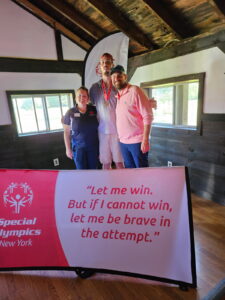
“We got involved right away, and then it’s kind of taken off since then,” Michael said.
More than a decade later, Michael continues to coach Special Olympics athletes year-round, with golf remaining his favorite sport to coach.
“For me, it’s golf,” he said. “It’s absolutely golf. It’s always been golf.”
Michael enjoys coaching golf because of the opportunities it provides athletes to continue developing their skills and challenging themselves. His goal with every athlete is to meet them where they are, help them build their abilities, and eventually help them reach the course.
“When you start as a golf coach or when you start as a golfer with me, my goal is to assess where you are,” Michael said. “With the overall goal of putting you on the course at some point in the future.”
That progression is one of the most rewarding parts of coaching for Michael. He loves watching athletes improve and accomplish things they may not have believed were possible when they first started.
“I like seeing people improve,” he said. “I like seeing people accomplish things that they didn’t think were possible.”
Michael typically holds golf practices twice a week, working with athletes at different skill levels and helping them prepare for competition and time on the course. His approach to coaching is rooted in preparation, focus, and high expectations.
For Michael, inclusion means treating athletes with the same level of respect and expectations that he would give any other athlete.
“I don’t act like they have a disability at all,” Michael said. “And I coach them as hard as I coach anybody else.”
He believes athletes should come to practice prepared, bring their equipment, stay focused, and challenge themselves to improve.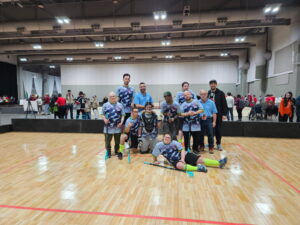
“The greatest thing that you can do for a Special Olympics athlete is to ignore the fact that they may have some type of different ability and just coach them as hard as you would anybody else.”
One of Michael’s most memorable experiences with Special Olympics came in 2022, when he had the opportunity to coach one of his local athletes at the Special Olympics USA Games in Orlando, Florida. For the athlete, the trip represented a major personal milestone. He had a significant seizure disorder, and his parents were understandably nervous about allowing him to travel because it was the first time he would be away from home. Watching him take that step and then succeed on the national stage made the experience especially meaningful for Michael.
“Seeing him accomplish that and then actually end up with a silver medal in the USA Games for his tier was really, really special and kind of unexpected,” Michael said.
While Michael enjoys playing golf during the summer and spending time with friends, Special Olympics has become much more than something he does in his spare time.
“Special Olympics has kind of become the hobby,” he said. “It’s kind of been the thing that has taken over my life.”
And that’s something Michael wouldn’t change. When asked what he would say to someone considering becoming a Special Olympics coach or volunteer, his answer was simple:
“Just do it. Don’t even think about it.”
Michael believes getting involved doesn’t just impact the athletes—it can change the lives of the volunteers and everyone around them.
“My life is better because I made this choice,” he said.
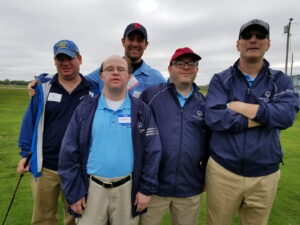
Over the years, Michael has watched friends and members of his community become involved because of the connections they’ve made through Special Olympics. He describes the organization as something that can quickly become a meaningful part of someone’s life.
“Special Olympics is a very sticky type of thing,” Michael said. “If you just get involved in it, it kind of wraps you and doesn’t let you go in the best way possible.”
Now, more than 10 years after first volunteering, Michael hopes more young people discover what Special Olympics has to offer. He believes younger volunteers and coaches are especially important to the future of the organization.
As someone who started volunteering in his late 20s, Michael knows firsthand how easy it can be to finish work, go home, and spend the rest of the evening doing nothing. But he believes making time to give back can provide something much more meaningful.
“Carving time for something like this is amazing,” he said.
For Michael, Special Olympics has provided friendships, unforgettable experiences, opportunities to coach athletes at the national level, and a community he knows he’ll continue to be part of for years to come.
“I could definitely say this would be something that I’ll be doing no matter where I am in my life,” Michael said. “Where I live, who I’m with, doesn’t matter. I’ll always be doing this.”
And after more than a decade of coaching, Michael’s message to anyone thinking about getting involved remains the same: Just do it.
SHARE THIS: